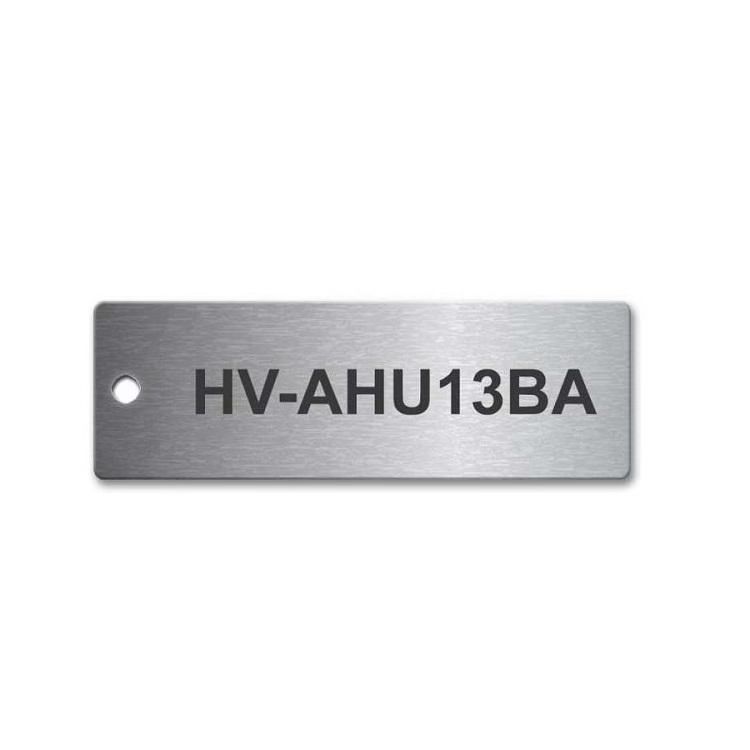
Stainless Steel Logo Plates(Custom 304/316 Branding Plates)
Make your brand permanent—on equipment, products, and premium signage.
C.N.Nameplate Co. manufactures custom stainless steel logo plates with crisp detail, high corrosion resistance, and a professional finish—built for long service life in industrial and outdoor environments.
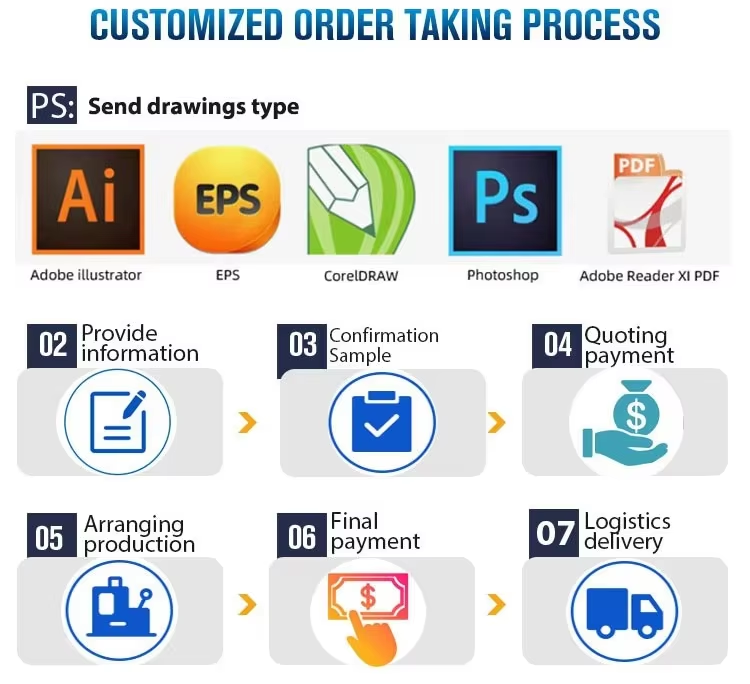
Request a Quote: Send your logo + target size + quantity + finish + mounting. We’ll reply with a recommended process, pricing, and lead time.
Quick spec highlights
Materials: SS 304 / 304L / 316 / 316L (others on request)
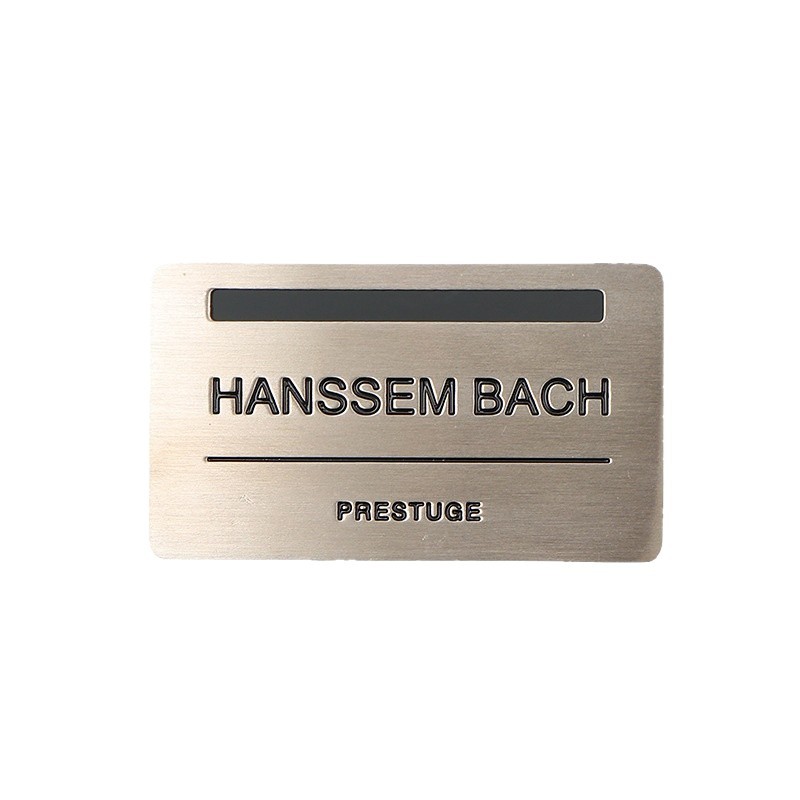
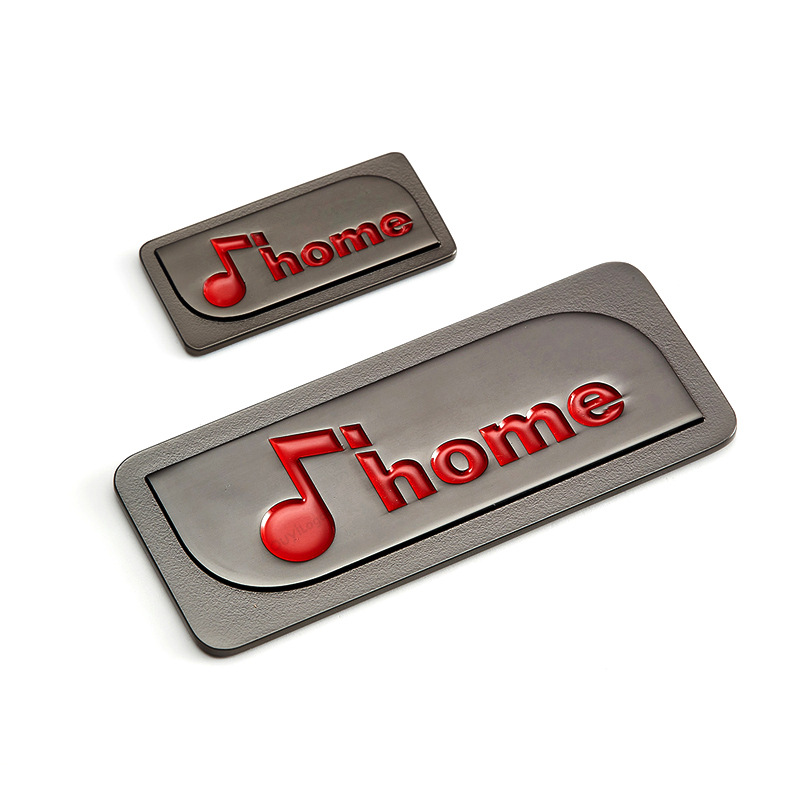
Processes: chemical etching + color fill, laser engraving, stamping/embossing, laser cut, screen printing, PVD color
Finishes: brushed/hairline, #2B, mirror/polished (common options)
Mounting: 3M adhesive, screw/rivet holes, studs, welding points, magnetic backing (by design)
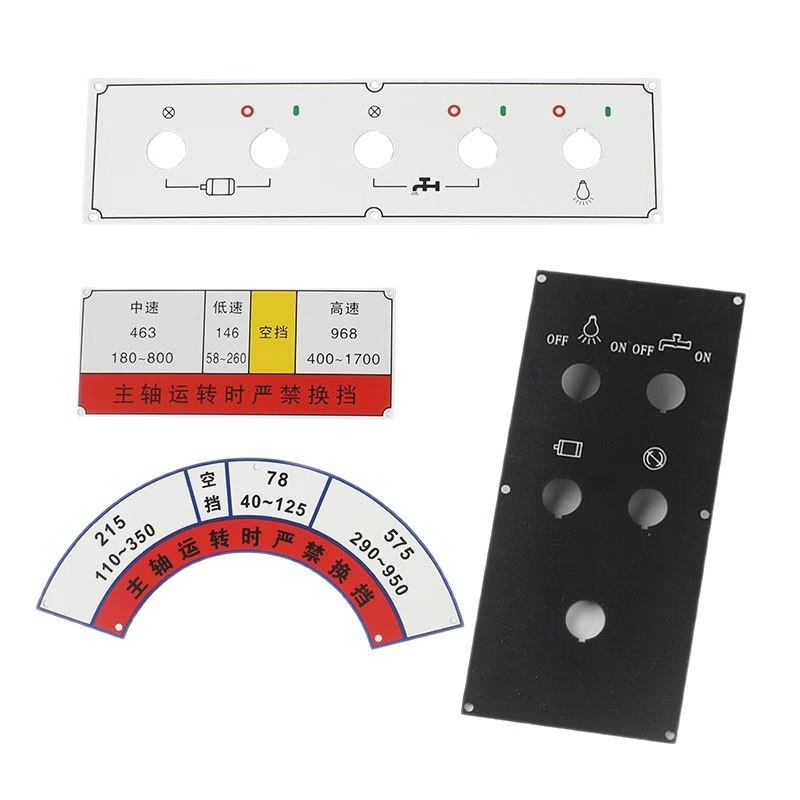
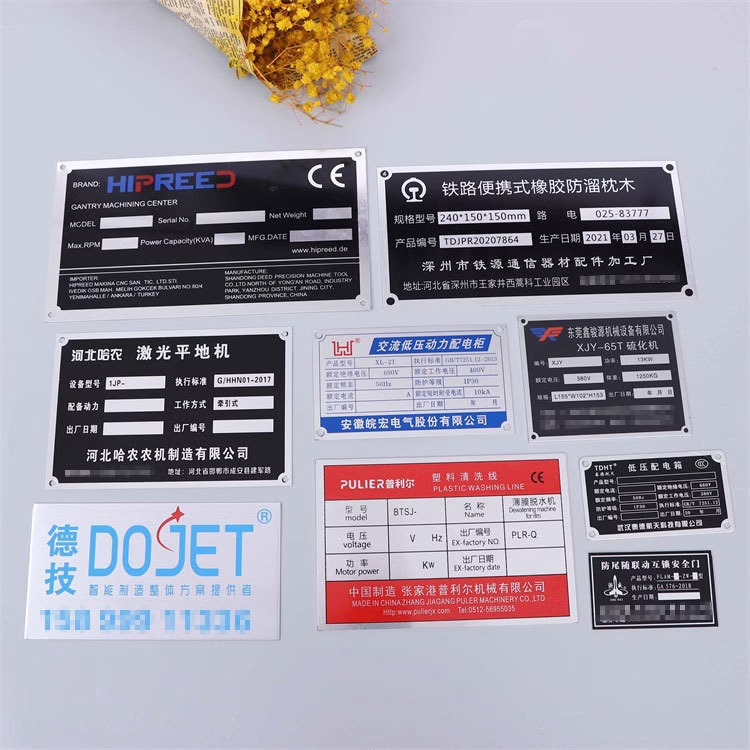
Use cases: machinery branding plates, equipment ID/logo plates, elevator & architectural logos, premium product badges
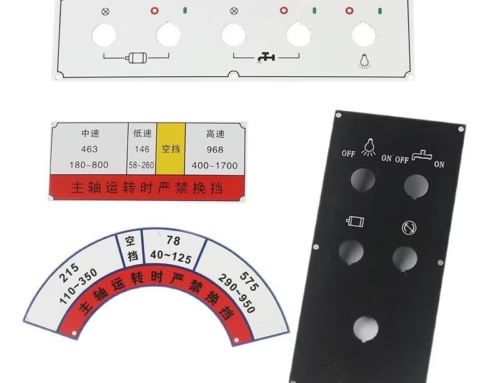
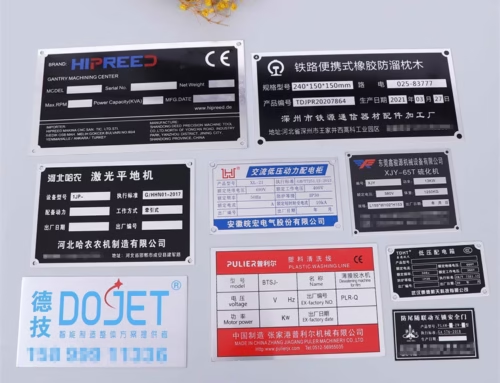
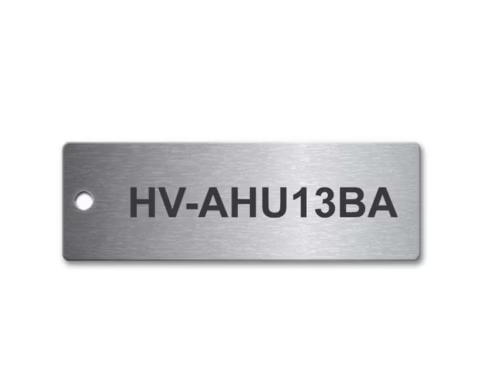
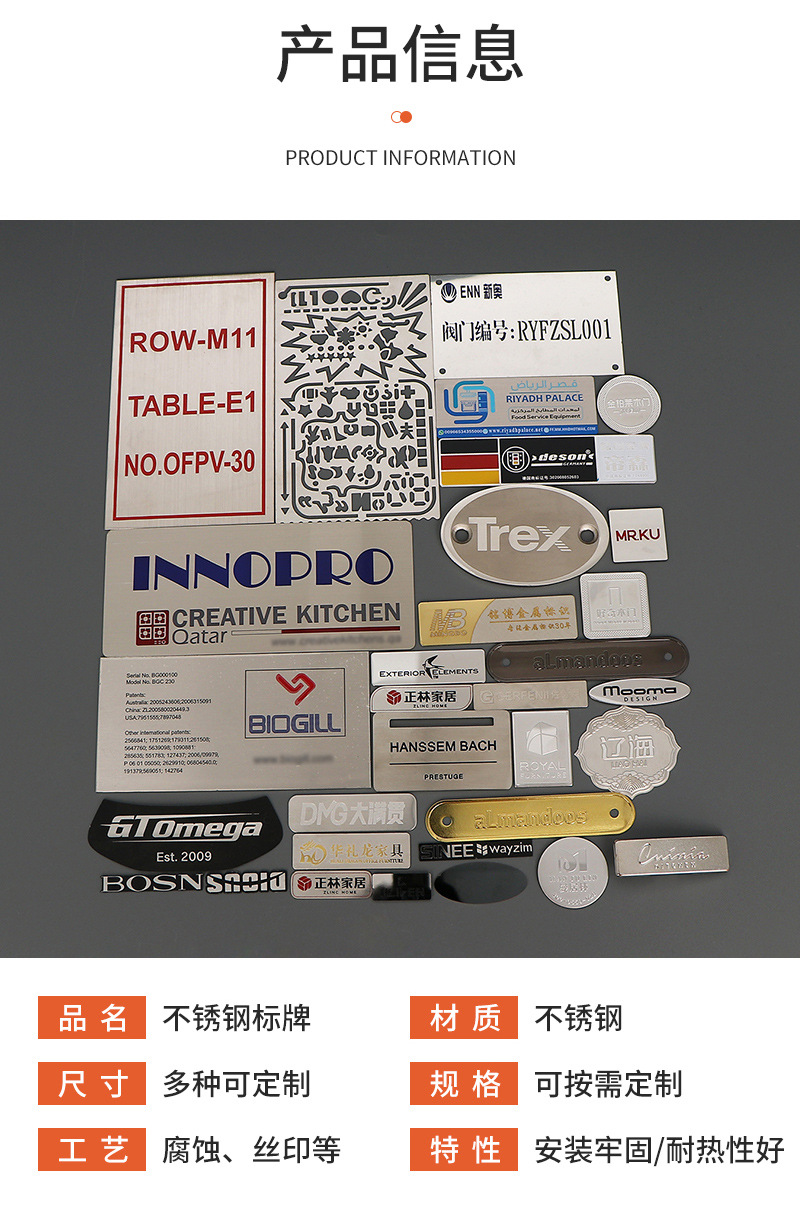
PRODUCT GALLERY
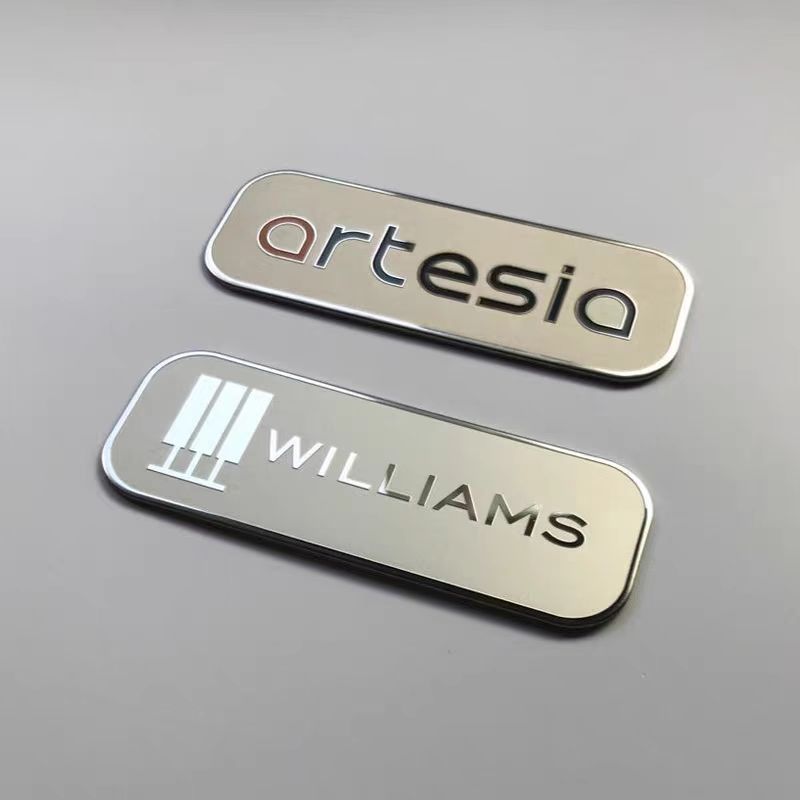
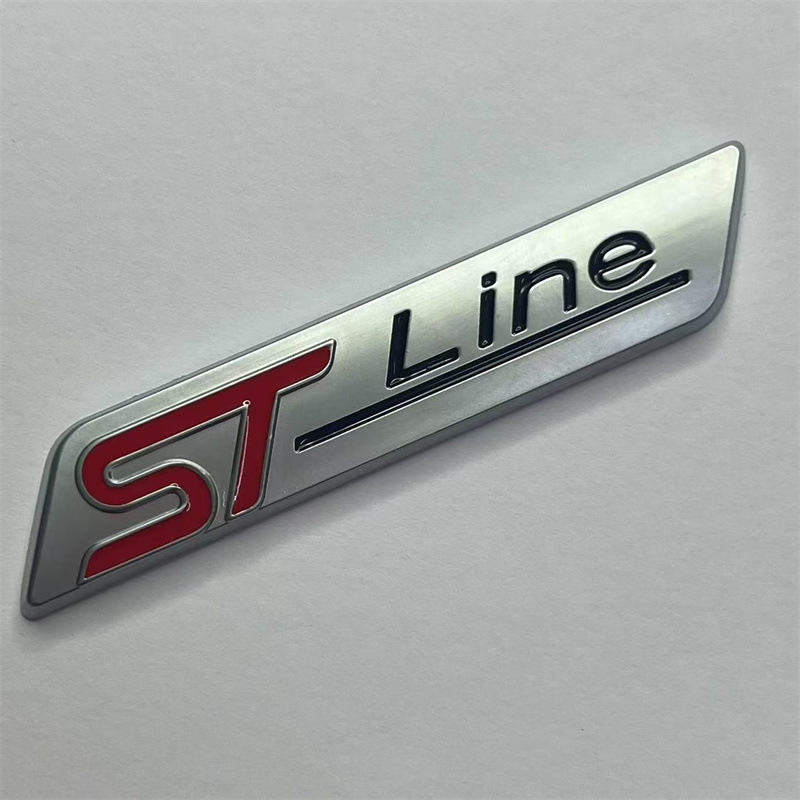
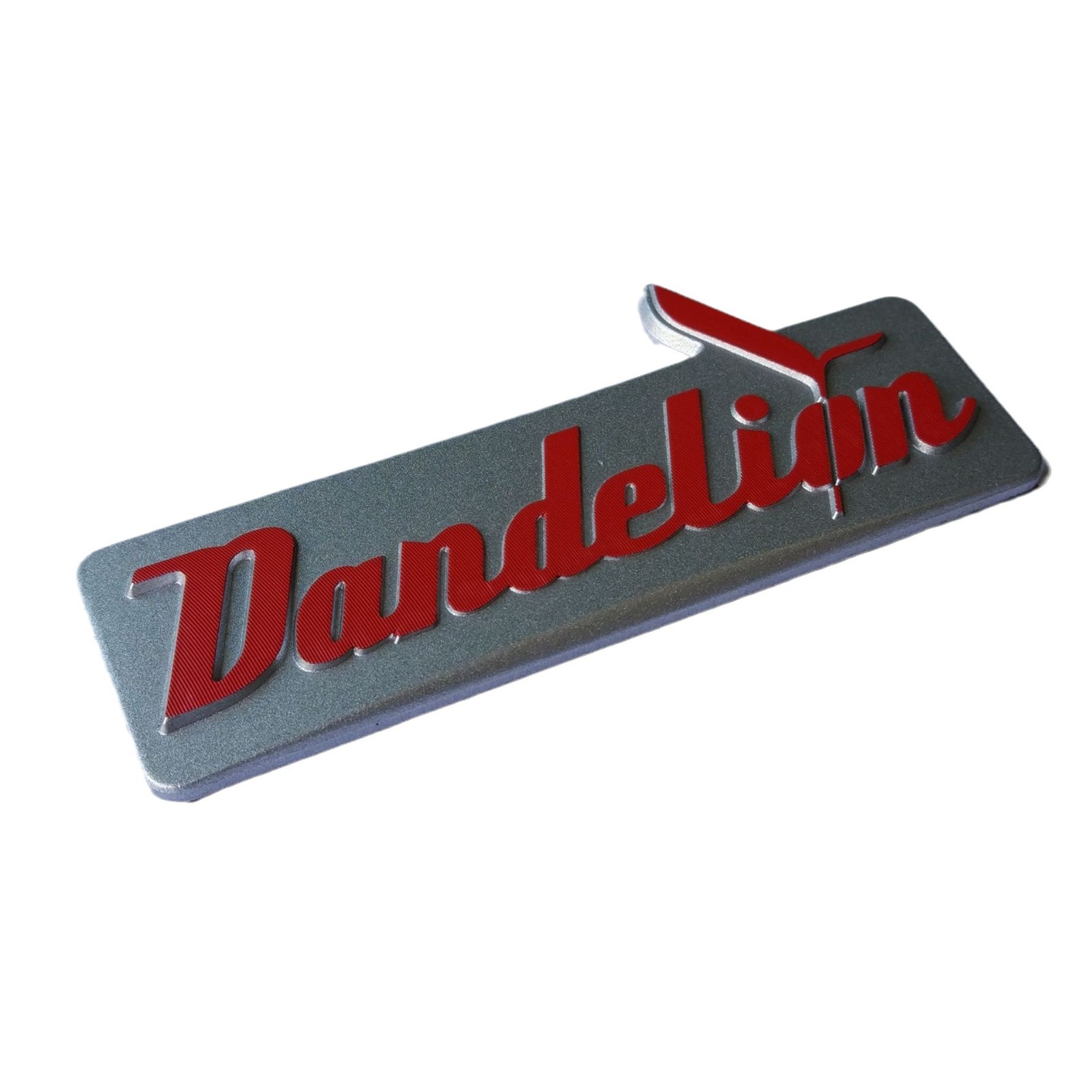
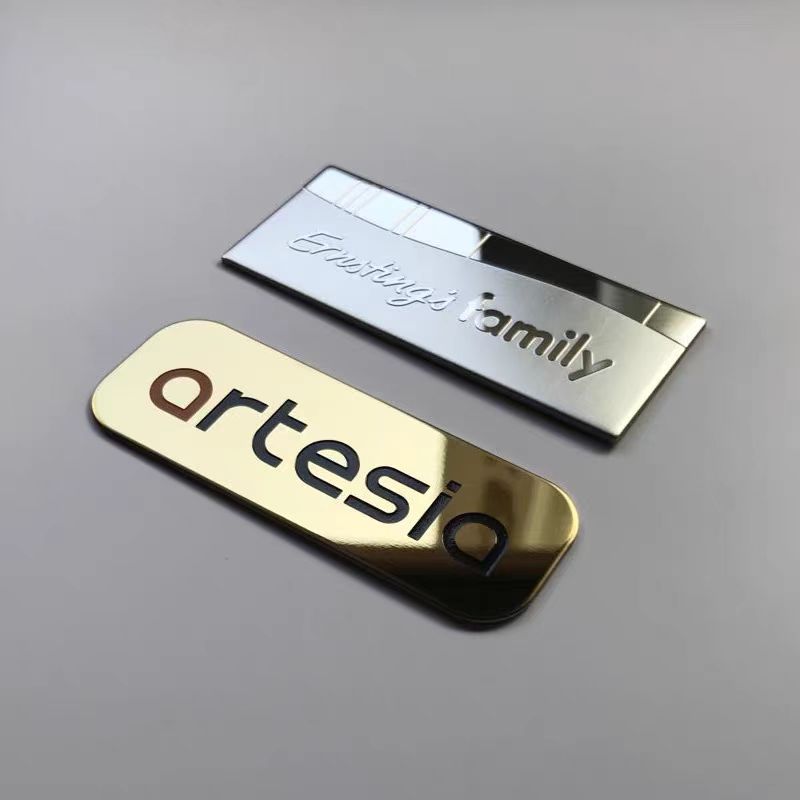
Why Stainless Steel Logo Plates
Built for harsh environments
Stainless steel resists corrosion and maintains appearance better than many metals—ideal for outdoor exposure, wash-down areas, and chemical-prone sites.
Premium look that matches high-end products
Choose brushed for modern industrial aesthetics, mirror for luxury, or PVD color for gold/black/rose-gold branding panels and logos.
Legible branding that lasts
Etched/engraved markings don’t “peel” like ordinary surface prints—especially when the environment includes abrasion, solvents, or pressure washing.
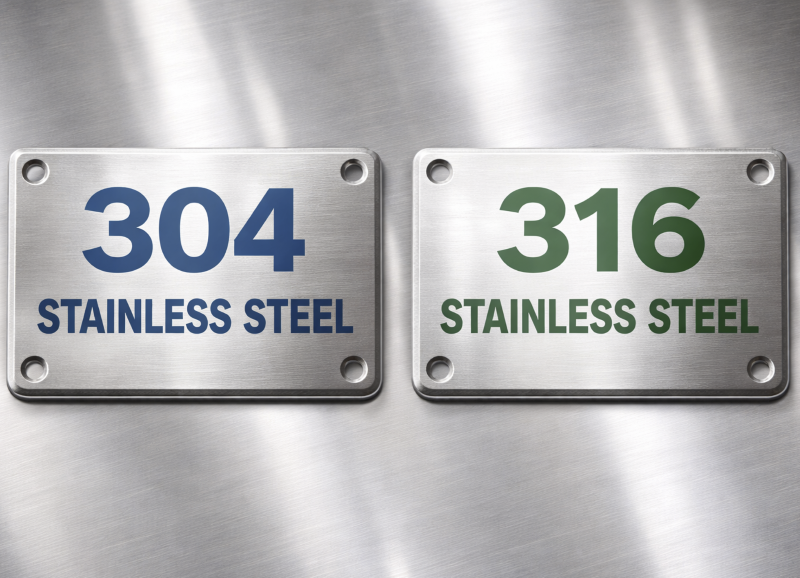
304 vs 316 Stainless Steel: Which One Should You Choose?
304 (general-purpose):
Best value for indoor/outdoor general use, most OEM branding plates, and normal weather exposure.
316 / 316L (marine/chemical/food processing):
Prefer when you face chlorides (salt air, coastal, de-icing salts), aggressive cleaners, or frequent wash-down. In naturally occurring waters, guidance commonly notes 304 can be satisfactory below certain chloride levels, while harsher chloride exposure often pushes selection toward 316.
Rule of thumb: If your logo plate is for coastal, marine, chemical, or food equipment, ask for 316/316L.
Stainless Steel Logo Plate Manufacturing Options (Choose Your Look + Durability)
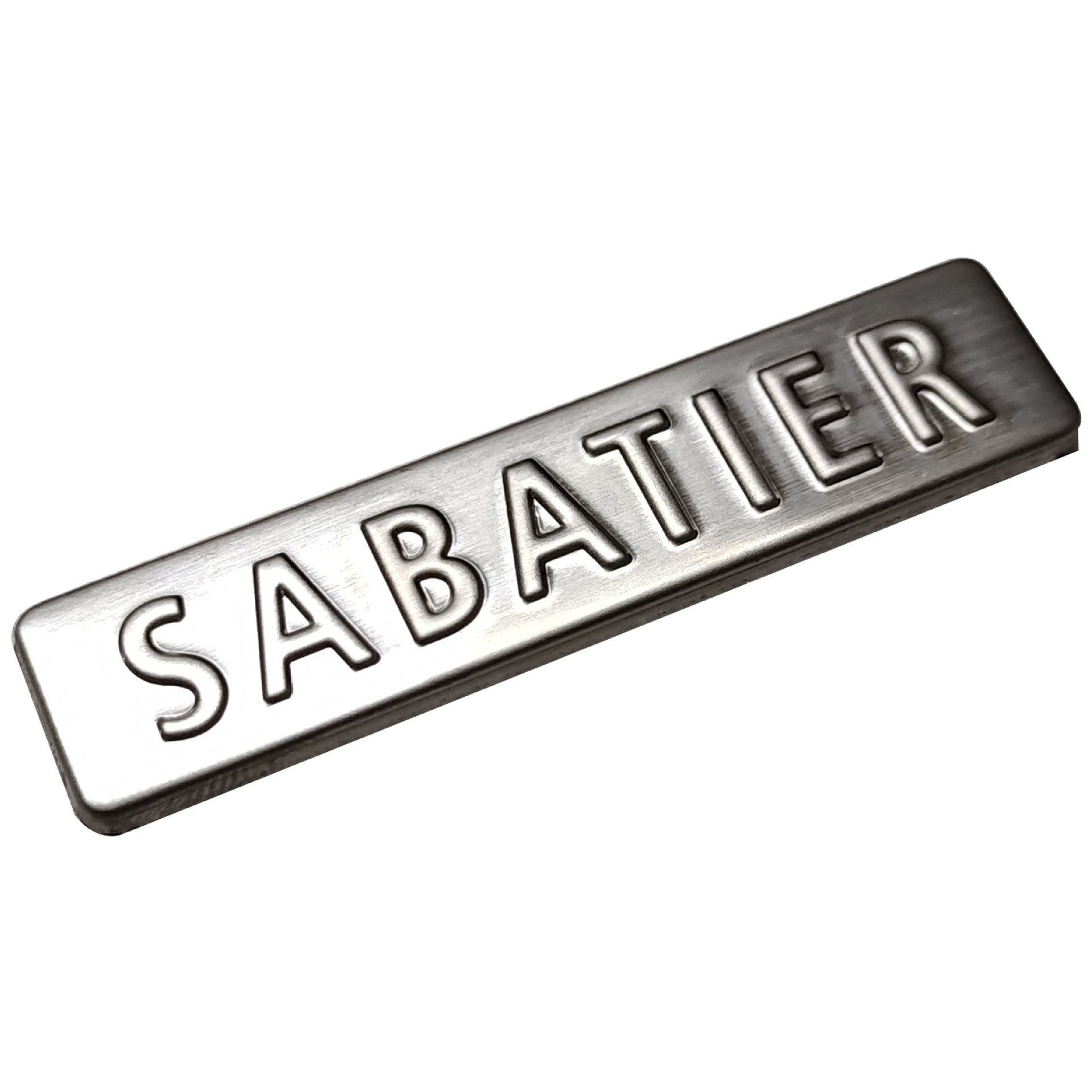
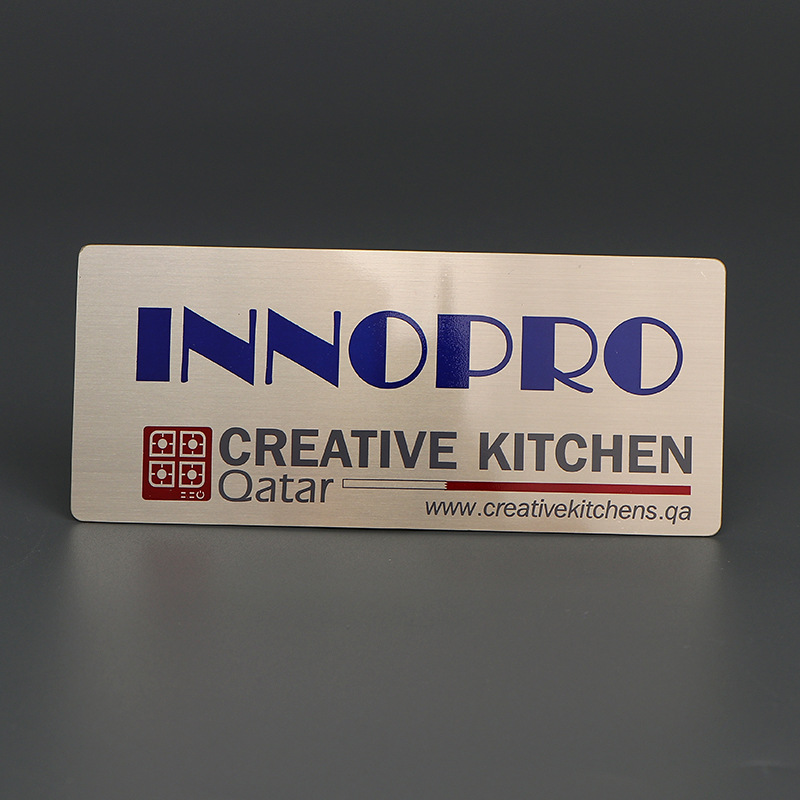
Finishes & Visual Effects (How Your Plate Will Look)
Common finish choices
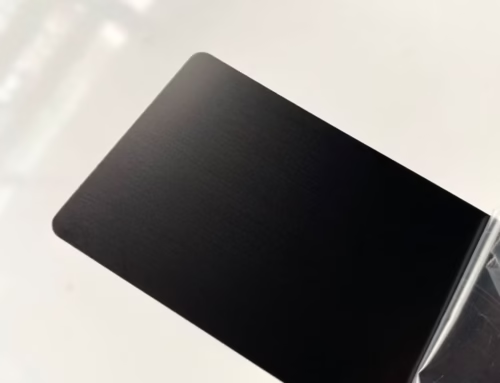
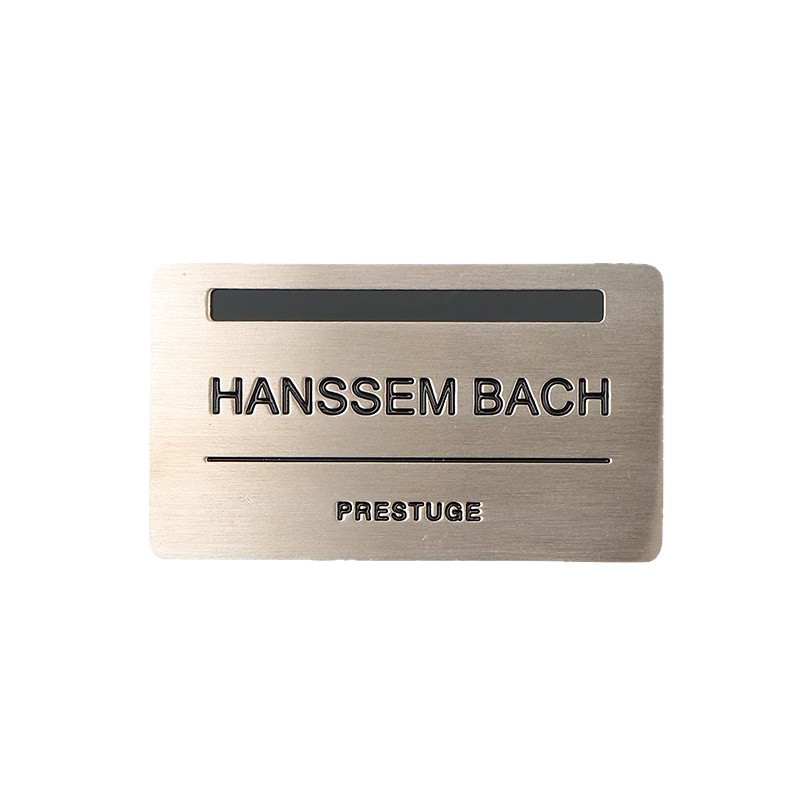
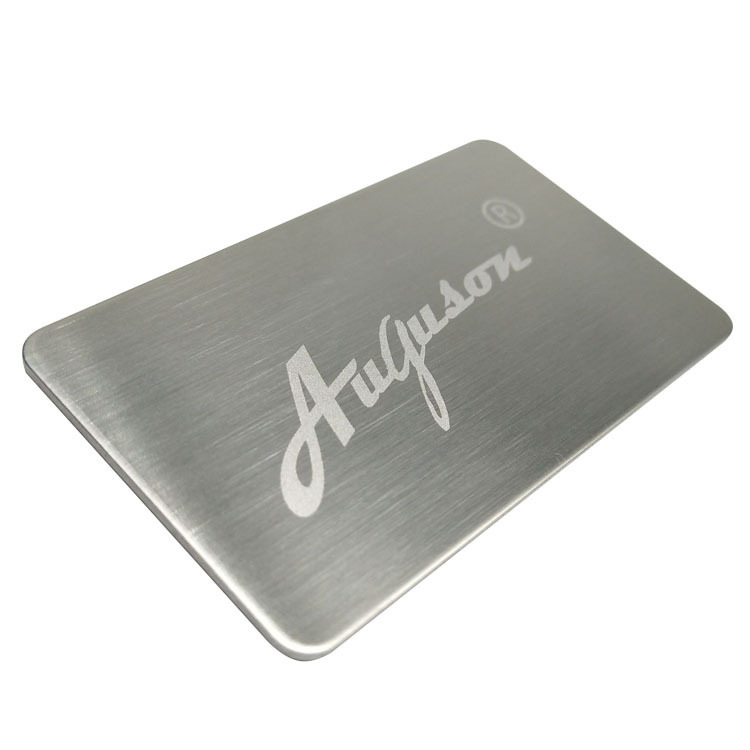
Brushed / Hairline (Grain 220-style): modern, hides fingerprints, great for industrial branding
#2B / mill finish: cost-effective, uniform metallic look
Mirror / polished: premium shine for signage and decorative logos
Matte bead-blast (optional): low-glare for control panels and equipment faces
Effects you can add
Cut-to-shape logo plates (CNC/laser cut)
Openwork / cutout logos
Texture backgrounds (fine sand, brushed crosshatch)
Blackened / contrast marking (process-dependent)
Edge finishing: deburr, corner radius, safety edges
Typical Applications
Mounting & Installation Options
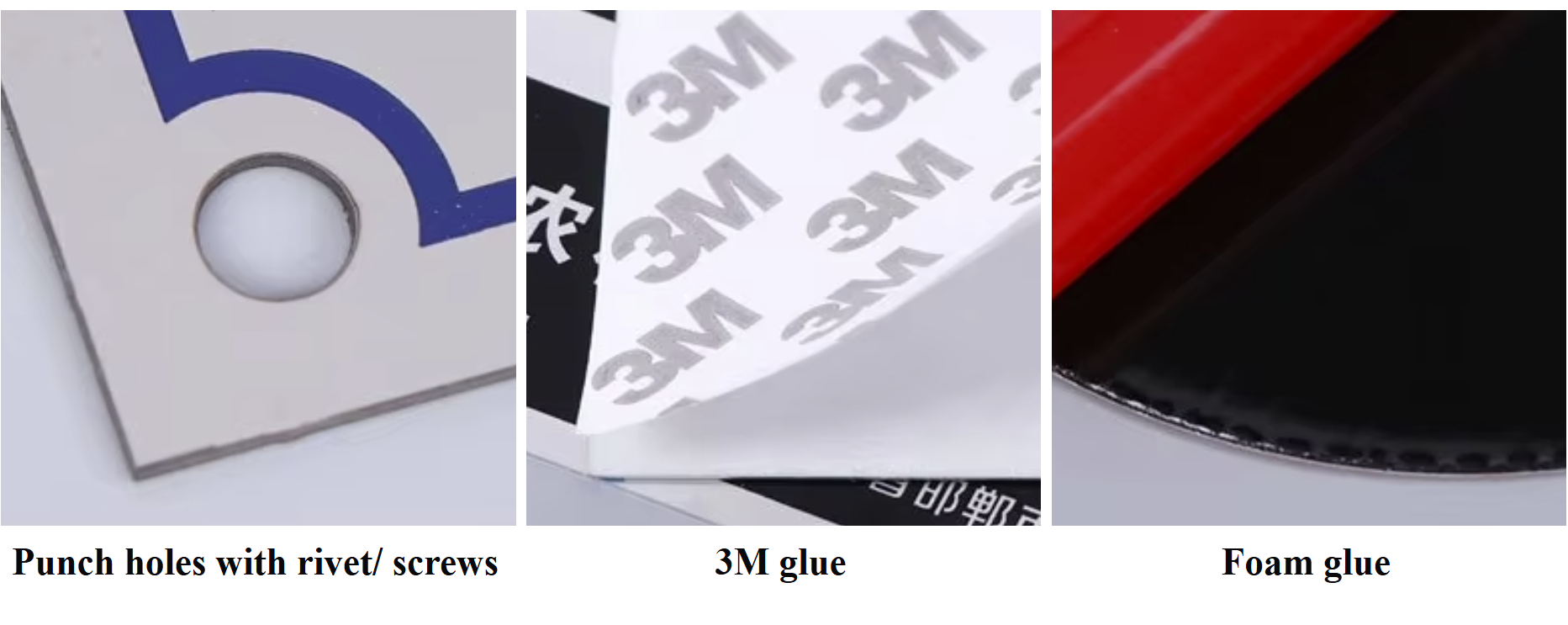
Choose based on surface, environment, and removal needs:
3M industrial adhesive (clean look, fast install)
Screw/rivet holes (permanent, vibration-resistant)
Weld studs / posts (hidden mounting for equipment housings)
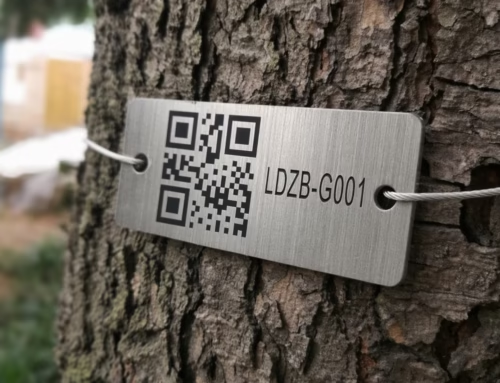
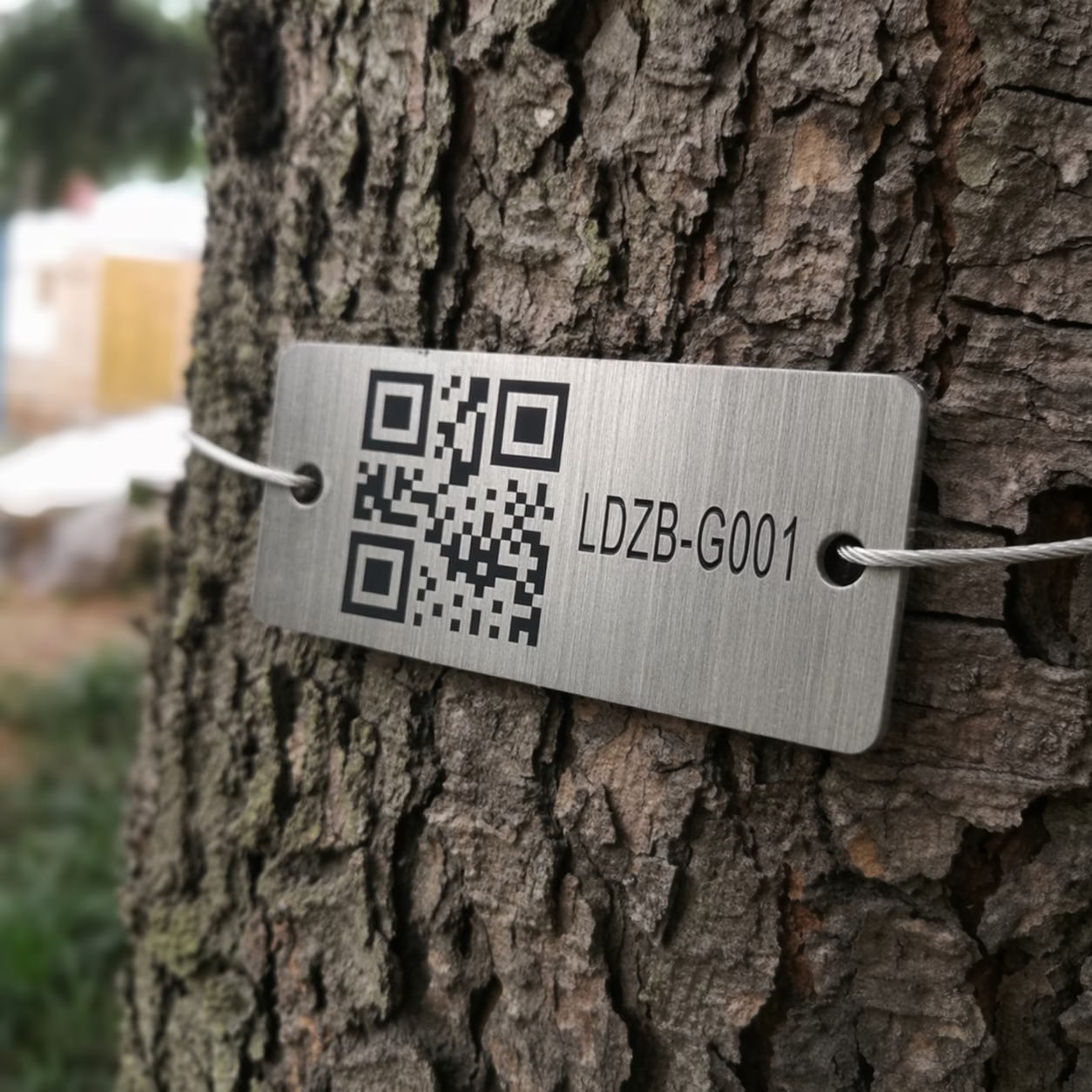
Cable ties (industrial tagging)
Magnetic backing (temporary placement; not for high vibration)
Installation tips
Degrease the surface before adhesive mounting
For outdoor use, prefer mechanical fasteners if you expect high heat cycles or repeated washing
Design & Engineering Support
When you send your logo, our team checks:
minimum line thickness and negative space
text size vs process capability
hole placement tolerances and edge distance
color-fill areas and contrast
mounting method vs substrate and environment
Accepted files: AI / EPS / PDF / SVG preferred; PNG/JPG ok for reference.
What Determines Price
Pricing typically depends on:
material grade (304 vs 316/316L)
size + thickness
process (etch/engrave/emboss/PVD/print)
finish requirements (mirror and PVD are premium)
mounting hardware (studs, holes, adhesives)
quantity & packaging (bulk, individual sleeves, barcode labels)
Best practice: ask for two quotes—one for 304 and one for 316—so you can decide based on environment risk.
Quality Considerations
We can support common QC expectations such as:
dimensional checks (hole spacing, outline accuracy)
surface inspection (scratches, polish consistency)
color match confirmation for fills/prints (if applicable)
durability requirements (share your test spec if you have one)
If you have a regulated requirement (asset tracking, compliance marking, audits), tell us—your logo plate can be built to match your documentation flow.
Yes—choose embossing/stamping, layered builds, or fabricated signage-style approaches depending on thickness and look.
Use mechanical mounting (holes/rivets/screws) or studs. Adhesives are excellent for clean surfaces but can be challenged by extreme heat cycling or harsh chemical cleaning.
Yes—laser engraving and certain etch/print workflows support variable data. Provide your format requirements.
Yes. For harsh environments, screen printing systems often rely on correct surface prep and curing chemistry, and brushed finishes can improve mechanical bonding.
Choose 304 for general conditions; choose 316/316L for salt air, coastal sites, chlorides, and frequent wash-down/chemicals.
Chemical etching is often the best balance of fine detail + durability, especially if you want color-filled recesses.