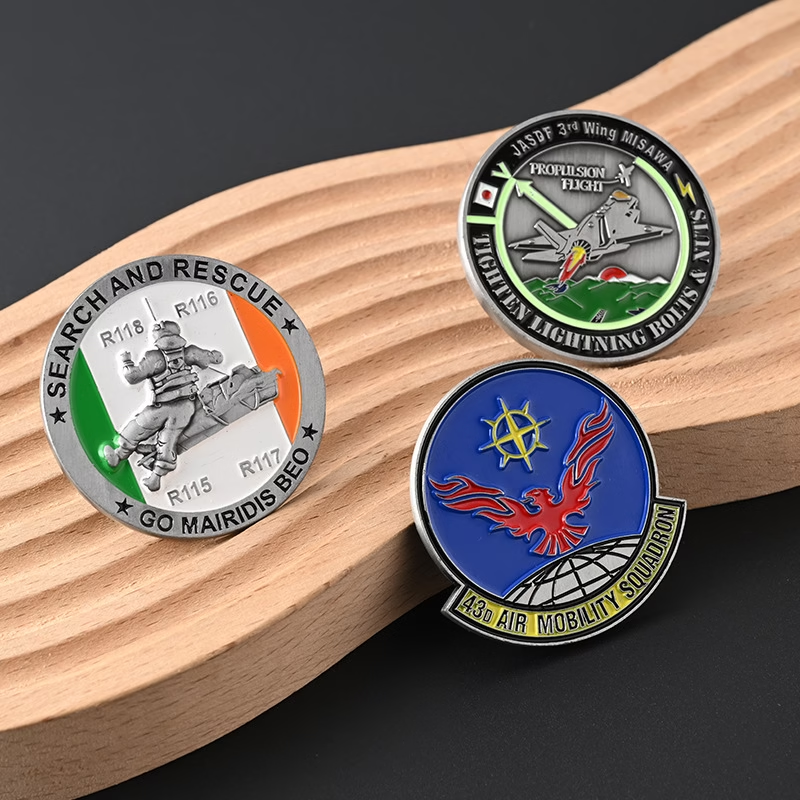
In a world where visual identity and branding matter more than ever, custom metal pin badges have made a significant comeback. Whether you’re a business, artist, event planner, or organization, enamel lapel pins and die-struck badges offer a timeless way to express ideas, promote a brand, or commemorate achievements.
This comprehensive guide will walk you through everything you need to know about customizing metal pin badges, from material choices and manufacturing techniques to practical use cases and how to design pins that people actually want to wear.
Table of Contents
Introduction: Why Custom Metal Pins Are Popular
Types of Custom Metal Pin Badges
Materials and Finishes
The Custom Pin Badge Manufacturing Process
Designing Your Custom Metal Pin Badge
Common Uses and Applications
How to Choose the Right Manufacturer
Branding & Marketing Benefits
Trends in Custom Lapel Pins
Conclusion & Final Thoughts
Frequently Asked Questions (FAQs)
1. Introduction: Why Custom Metal Pins Are Popular
Custom metal pin badges are small but powerful branding tools. Their appeal lies in their versatility: they are collectibles, fashion accessories, corporate identifiers, and promotional merchandise all rolled into one.
In recent years, pin badges have surged in popularity among not just businesses and nonprofits, but also artists, influencers, and fandom communities. They’re affordable to produce, highly customizable, and long-lasting — making them a smart choice for personal expression and marketing.
2. Types of Custom Metal Pin Badges
When making custom pins, it’s important to understand the different types available:
2.1 Soft Enamel Pins
- Features raised metal edges with recessed enamel fill
Slightly textured surface
Most popular for vibrant designs and cost-effectiveness

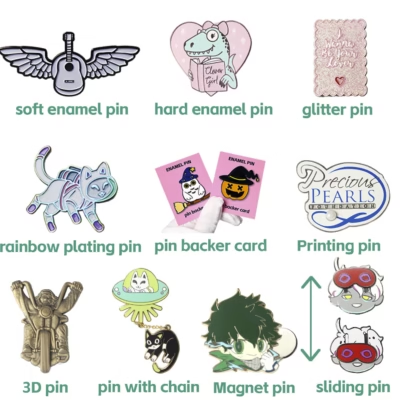
2.2 Hard Enamel Pins (Cloisonné)
Smooth, polished surface
Enamel and metal lines are level
More durable and luxurious finish
2.3 Die Struck Pins
No enamel, just metal with raised and recessed areas
Ideal for a classic, minimalist look
2.4 Offset Printed Pins
Photographic-quality prints on metal
Best for complex designs with gradients or tiny details
2.5 3D Cast Pins
Molded in three dimensions
Perfect for intricate sculptural designs
Each type offers different advantages depending on your design and intended use.
3. Materials and Finishes
Choosing the right materials and finishes is essential for getting the look and feel you want from your custom pin badge.
Common Base Metals:
Iron – cost-effective and sturdy
Brass – better detail and finish quality
Zinc Alloy – great for 3D cast pins
Stainless Steel – corrosion-resistant and sleek
Popular Finishes:
Gold plating (shiny or antique)
Silver plating (shiny or matte)
Black nickel

Rose gold
Copper (shiny or antique)
Dyed black or white metal
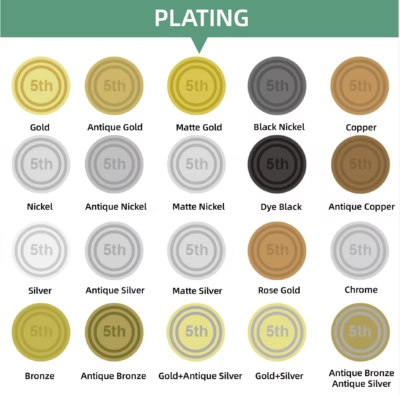
The finish can dramatically change the visual impact of your pin. For example, antique bronze works well for vintage looks, while black nickel creates a modern, minimalist appeal.
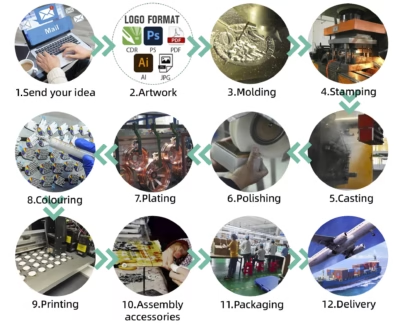
4. The Custom Pin Badge Manufacturing Process
The process of creating custom metal pins involves multiple steps, each requiring careful precision to ensure high quality.
Step 1: Design Approval
Your vector artwork is turned into a production mold.
Step 2: Die Striking or Casting
The base metal is stamped or cast into the desired shape and design.
Step 3: Trimming and Polishing
The excess metal is trimmed off and edges are smoothed.
Step 4: Plating
The badge is plated with the chosen metal finish.
Step 5: Enameling (if applicable)
Soft or hard enamel is added to recessed areas.
Step 6: Baking or Polishing
Hard enamel pins are polished to a smooth finish; soft enamel may be baked to harden the paint.
Step 7: Attachment
The chosen backing (butterfly clutch, magnetic, safety pin, etc.) is soldered or glued on.
Step 8: Quality Inspection
Each pin is inspected for defects before being packaged.
5. Designing Your Custom Metal Pin Badge
Creating a pin that stands out requires more than just a great idea — it needs smart design choices.
Tips for Great Pin Design:
Use Bold Lines: Thin lines may not translate well to metal
Limit Colors: Most manufacturers charge by color, and simplicity is more readable

Keep It Small: Standard sizes are 0.75” to 1.5”
Consider Shape: Go beyond circles; custom cut-outs can enhance appeal
Typography: Use readable fonts, especially at small sizes
Most manufacturers require vector artwork files (AI, SVG, or EPS), but many will also help convert raster images (like PNGs or JPGs) into production-ready formats.
6. Common Uses and Applications
Metal pin badges are incredibly versatile. Here are some popular ways they’re used:
Corporate Branding: Company logos or awards for employees
Fundraising: Charity pins as donor incentives
Merchandise: Bands, artists, and influencers sell them as collectibles
Events: Wedding favors, conference swag, or festival branding
Clubs and Societies: Membership pins or identifiers
Commemorative Keepsakes: For anniversaries, achievements, or memorials
7. How to Choose the Right Manufacturer
Choosing the right custom pin badge supplier is essential to getting high-quality results.
What to Look For:
Low Minimum Order Quantities (MOQs)
Fast Turnaround Times
Proofing Process
Free Artwork Services
Customer Reviews
Wide Range of Options
Top manufacturers often have online design tools, free sample galleries, and international shipping options.
8. Branding & Marketing Benefits
Custom metal pin badges aren’t just decorative — they’re powerful branding tools.
Advantages for Businesses:
Low Cost Per Impression: Pins last longer than other promo items
High Visibility: Worn on jackets, backpacks, and hats
Nostalgic Value: People collect and cherish well-made pins
Social Media Ready: Unique pins are highly shareable online
Loyalty Builders: Reward fans, staff, or customers with limited edition pins
From guerilla marketing campaigns to e-commerce collectibles, custom pins offer a unique and tangible way to connect with an audience.
9. Trends in Custom Lapel Pins
The custom pin badge industry is constantly evolving. Here are the current trends shaping the market:
Eco-Friendly Pins: Recycled metals and sustainable packaging
Glow-in-the-Dark and UV Features
Mini Pins and Pin Sets
Soft Pastel Palettes
Interactive Pins: Spinners, sliders, and hinged designs
Niche Fandom Pins: Micro-audiences on Etsy and Instagram
Artist Collabs: Independent designers creating signature collections
Staying ahead of these trends can give your pin designs an edge in a competitive market.
10. Conclusion & Final Thoughts
Whether you’re designing a pin for your company, launching merch, or commemorating a milestone, custom metal pin badges offer a creative and lasting solution. With the right design, materials, and manufacturer, your pins can become beloved keepsakes, powerful branding tools, and viral collectibles.
If you’re looking to elevate your brand or product offering with something tangible, small, and stylish — it’s time to think metal. Durable, customizable, and full of character, a custom badge might just be your next big win.
11. Frequently Asked Questions (FAQs)
Q1: What is the minimum order quantity for custom metal pins?
Most manufacturers offer MOQs starting from 50 to 100 pieces, though some offer even lower for first-time orders.
Q2: How long does it take to produce custom pins?
Typical production times range from 2 to 4 weeks depending on complexity and order volume.
Q3: Can I get just one custom pin made?
Most manufacturers don’t produce single pins due to tooling costs, but some prototyping services or 3D print shops might.
Q4: What’s the difference between hard and soft enamel?
Soft enamel pins have raised metal lines and a textured finish, while hard enamel is polished smooth for a more premium feel.
Q5: Are custom metal badges expensive?
Costs vary, but generally range from $0.50 to $3.00 per pin depending on size, design, quantity, and finish.
Q6: Can I create a custom shape for my badge?
Yes! Most manufacturers offer die-cutting for unique shapes without additional cost.
Q7: What file type should I use for my design?
Vector files (AI, SVG, or EPS) are preferred, but many companies accept high-res PNG or JPEG as well.
Q8: How durable are metal pin badges?
With proper care, metal pins can last for decades. Hard enamel and die-struck pins are especially durable.
Q9: What pin backing options are available?
Common options include butterfly clutches, rubber clutches, magnetic backs, and safety pin clasps.
Q10: Can I resell my custom pins?
Absolutely! Many artists, creators, and small businesses profit from selling limited edition pin collections online.