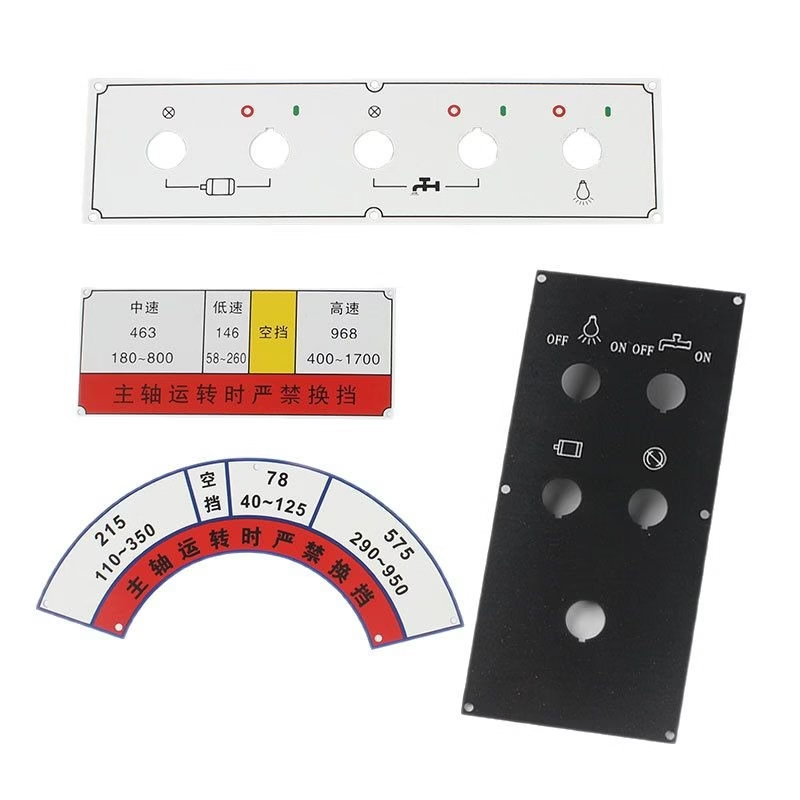
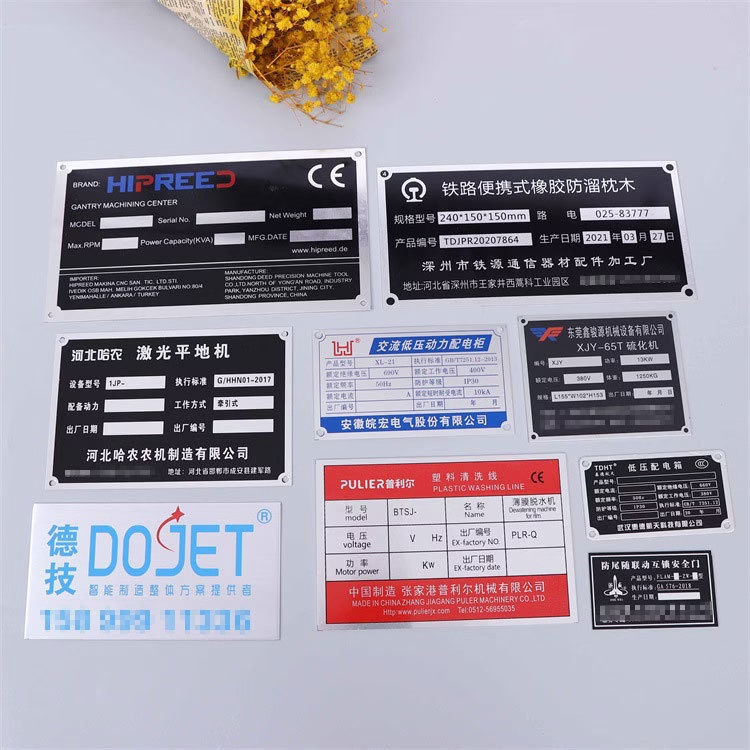
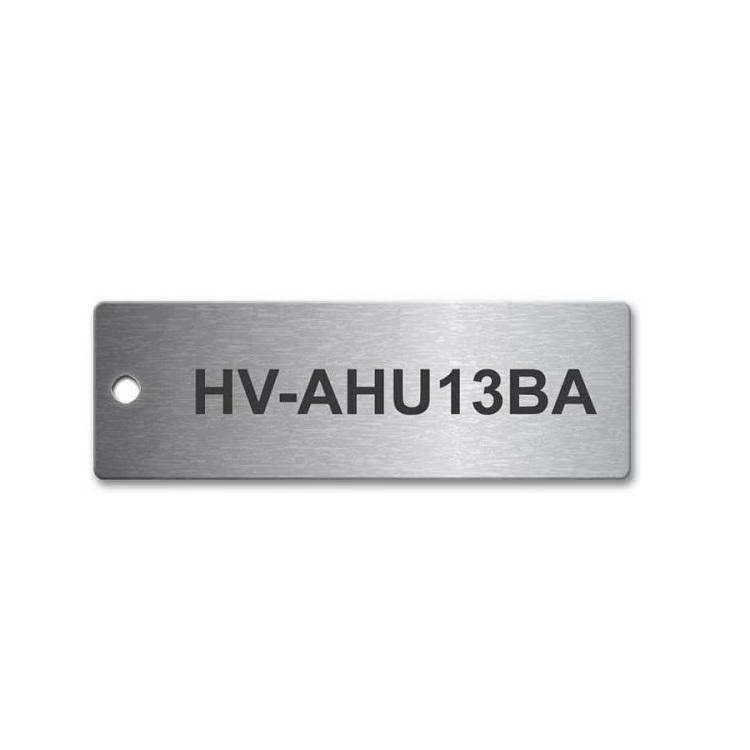
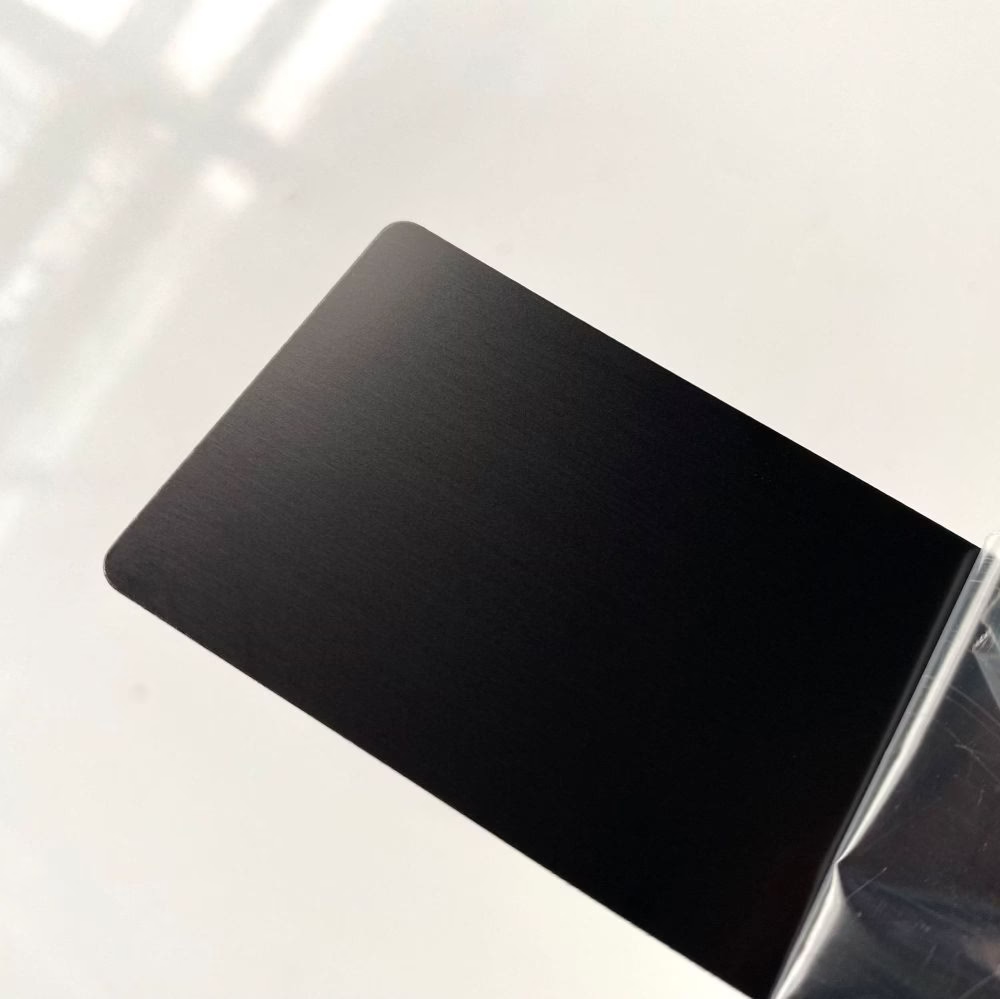
Custom Metal Tree Tags for Outdoor Identification
Engraved numbers, botanical names and QR codes — made to your project requirements.
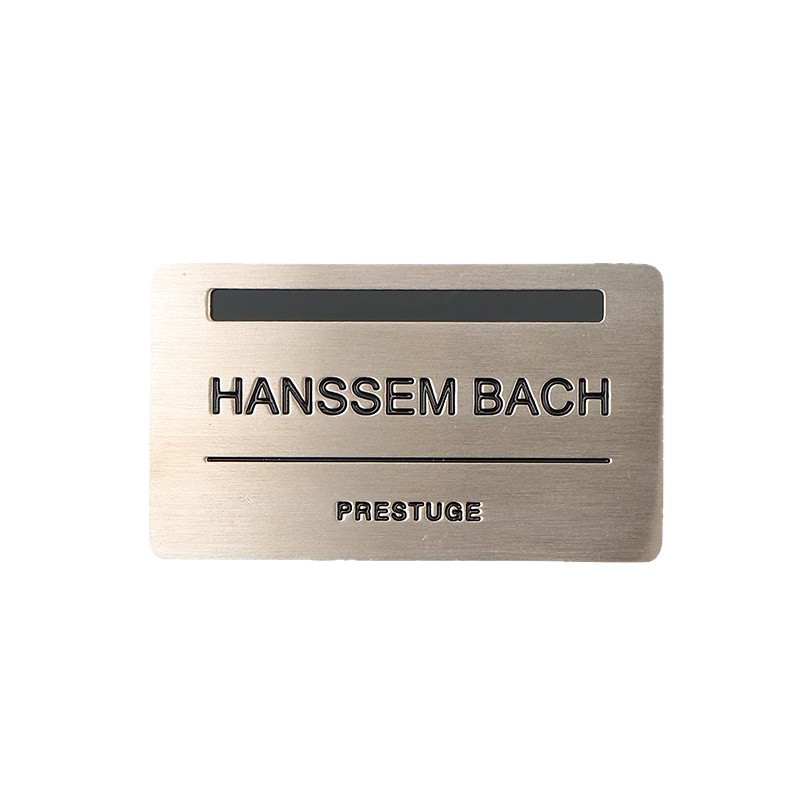
Keep every tree connected to the right record. C.N.Nameplate manufactures custom metal tree tags for arborists, forestry teams, botanical gardens, nurseries and public parks. Choose aluminum, stainless steel or brass, with a layout that makes identification straightforward in the field.
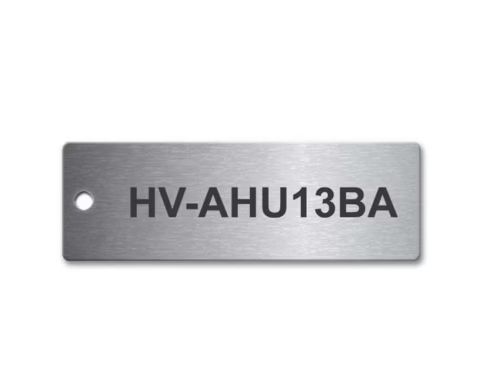
From compact numbered tree tags to detailed botanical labels, specify the material, shape, marking and mounting holes your project needs. Order finished tags with your data or blank tags for marking locally.
- Identify individual trees with unique numbers, names or accession codes.
- Connect physical tags to digital records using QR codes or barcodes.
- Request bulk pricing for tree surveys, planting projects and collection management.
Choose the Right Tree Identification Tags
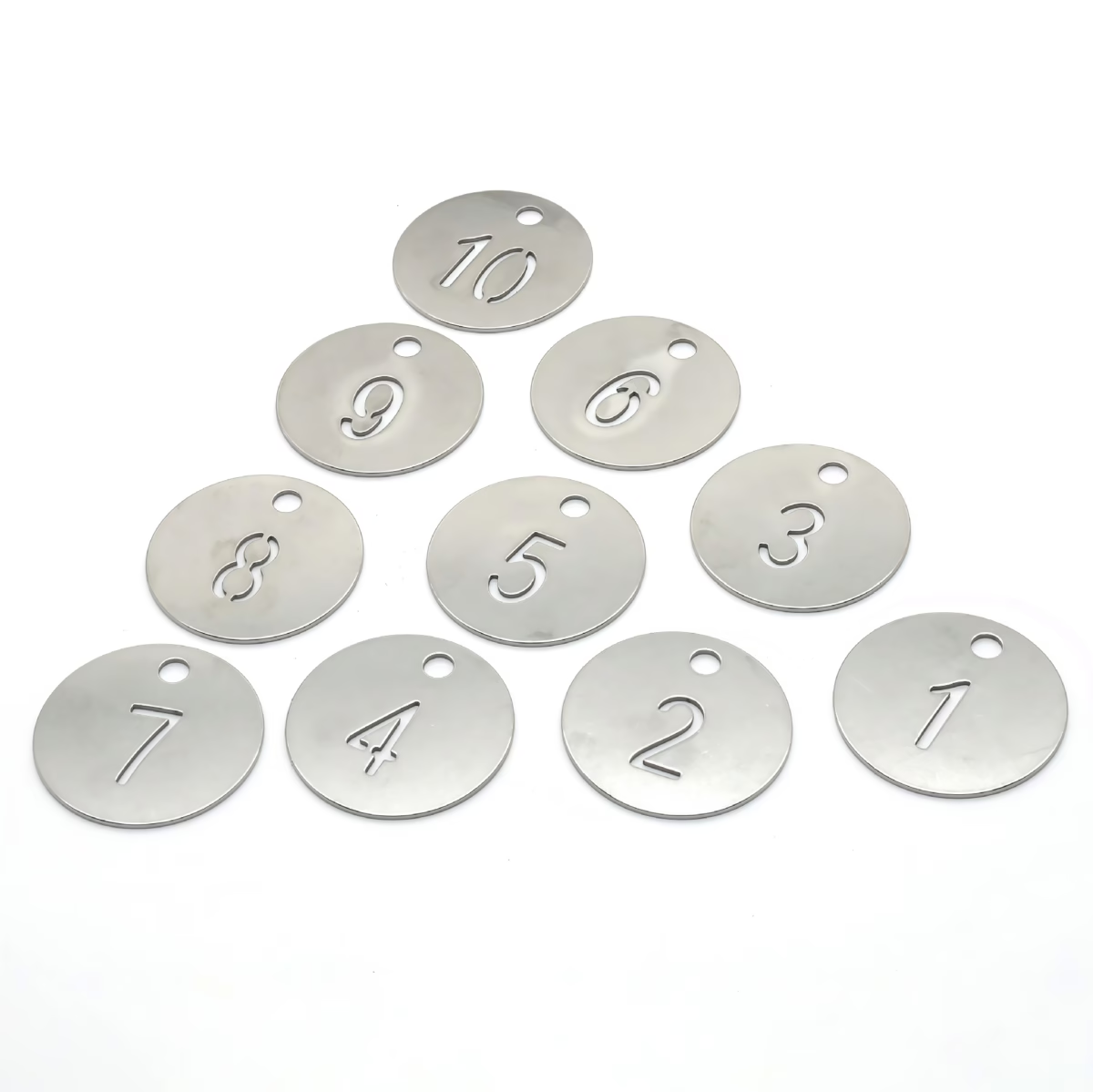
Numbered Tree Tags for Surveys and Inventories
Give each tree a consistent reference for inspections, maintenance and mapping. Numbered metal tree tags can carry sequential numbers, site prefixes or an existing identification system, such as T-0001 through T-1000.
Use them for municipal tree inventories, forestry research plots, orchard records and arboricultural surveys. Match the tag ID to your spreadsheet or GIS record so staff can find the same tree during repeat visits.
Engraved Botanical Labels and Arboretum Tree Tags
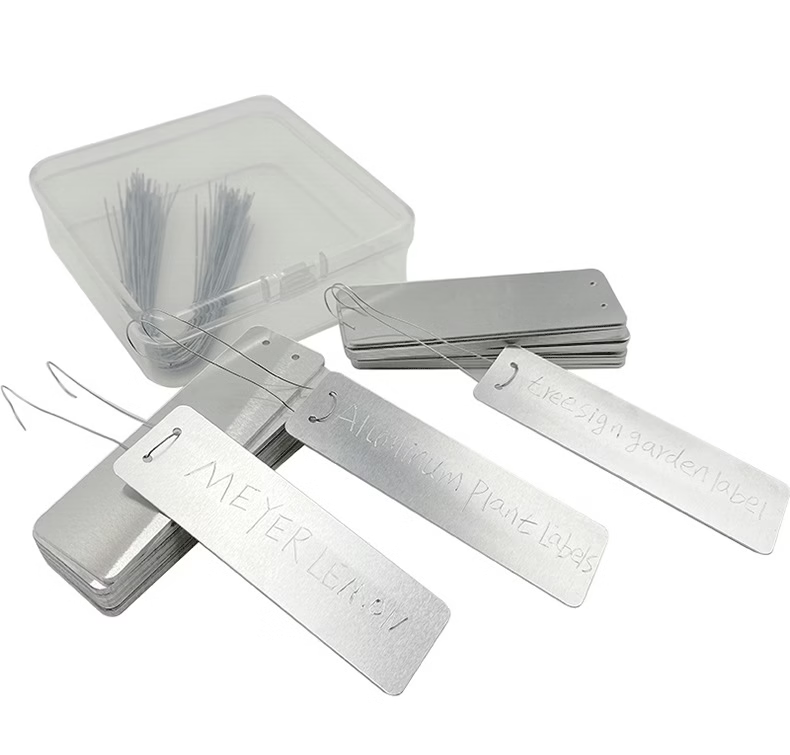
Help visitors identify a species while keeping collection records organized. Custom botanical labels can display the common name, scientific name, cultivar, family, planting year or accession number.
Choose a compact label for internal records or a larger display label for public viewing. Prioritize the information visitors need to read first, and leave enough space for botanical names and a clear type size.
Tree Tags with QR Codes and Barcodes
Link a tree to its species profile, inspection record or educational webpage. A QR code can open a destination you manage, while a barcode can represent an ID used by your inventory system.
Include a readable tree number alongside the code. Keep the code clear of mounting holes and edges, preserve its blank border, and test a sample with the phones or scanners your team will use. A short, stable URL helps keep a QR layout manageable.
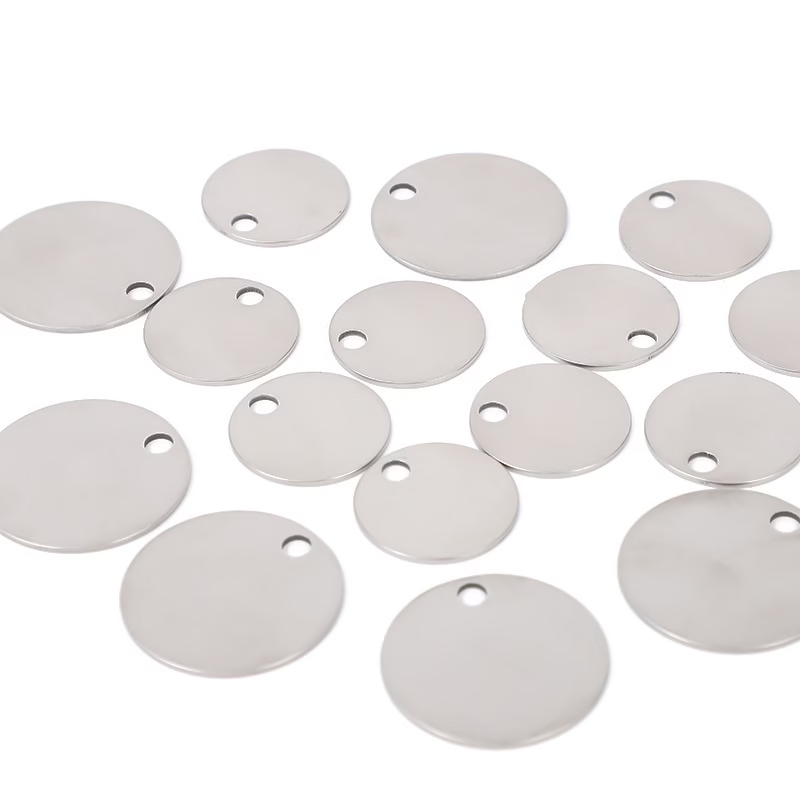
Blank Metal Tree Tags
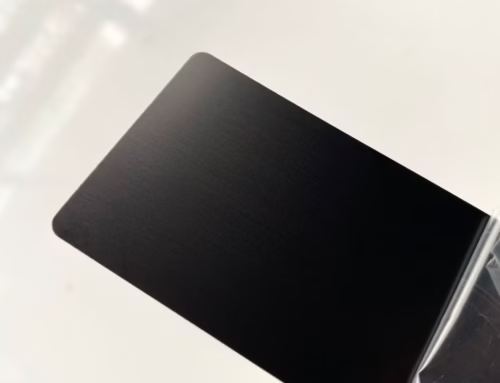
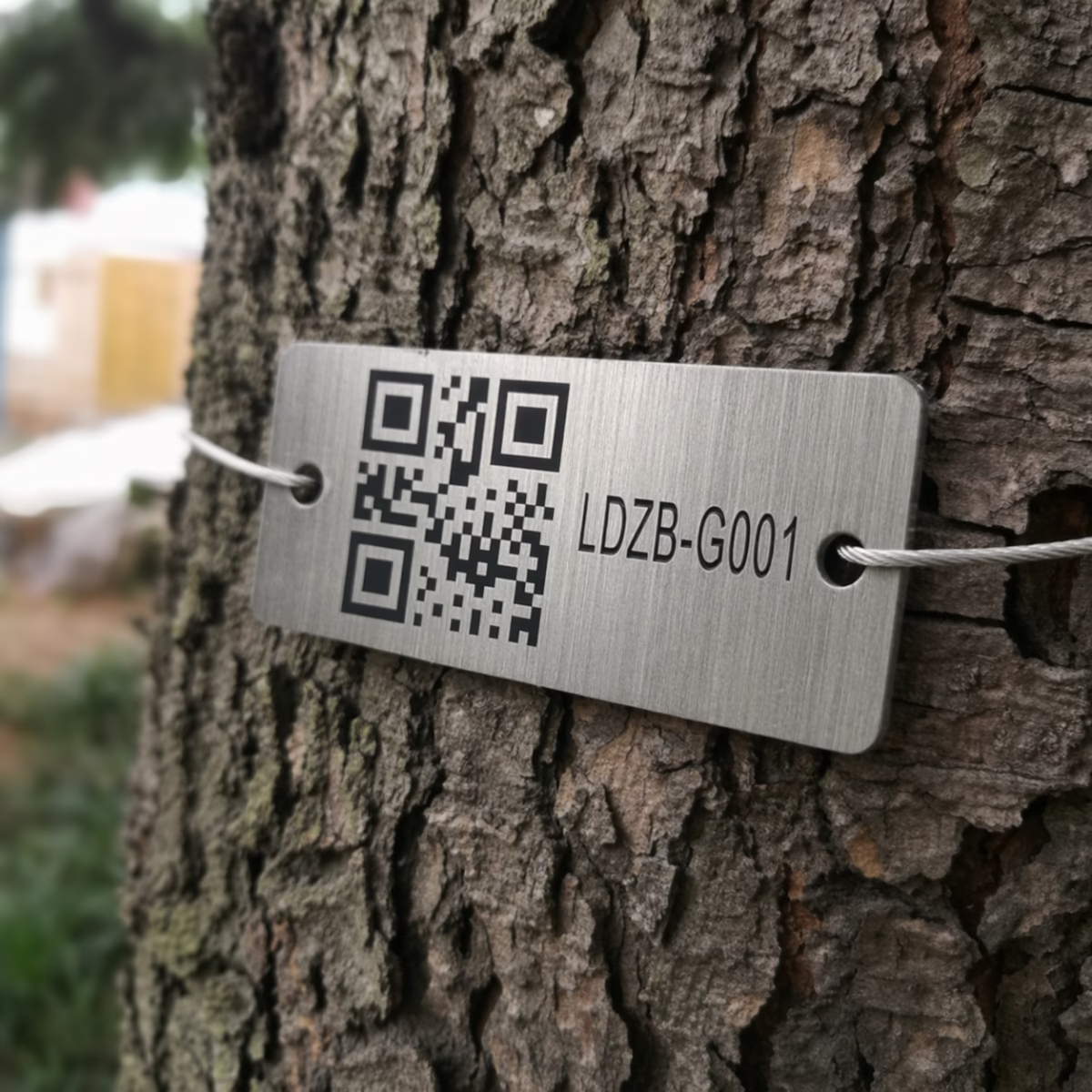
Need to add information as trees are planted or surveyed? Request blank aluminum or stainless steel tags for marking with your own equipment.
Tell us whether you will use a laser, mechanical engraver or stamping tools. Material, thickness and finish should suit your marking method. Confirm compatibility on a sample before ordering a full batch.
Aluminum, Stainless Steel or Brass Tree Tags?
The best material depends on the exposure, appearance, weight and budget of your project.
| Material | A practical choice for | What to consider |
|---|---|---|
| Anodized aluminum | Lightweight number tags, color-coded inventories and nursery labels | Specify outdoor exposure when choosing the finish; color retention depends on the dye, sealing and conditions. |
| 304 stainless steel | Strong identification tags for many general outdoor locationsHeavier than aluminum; review the surface finish and marking contrast for easy reading. | A useful option to assess for coastal projects; grade selection still depends on the actual environment. |
| 316 stainless steel | Sites where salt exposure calls for greater corrosion resistance than 304 | Offers a warm metallic appearance and develops a patina outdoors. |
| Brass | Botanical displays, heritage gardens and commemorative tree labels | Column 3 Value 4 |
Anodized aluminum tree tags, also called anodised aluminium tree tags, offer a useful balance of low weight and customization. Laser marking on colored anodized aluminum can create light, contrasting characters; confirm the final appearance on your chosen finish.
For a more demanding site, discuss stainless steel tree tags and the appropriate grade. Specify coastal exposure, irrigation chemicals or frequent abrasion when requesting a recommendation.
Explore our anodized aluminum tags for more material and finish options.
Customize the Size, Shape and Information
Build the tag around what people need to read and how it will be mounted.
| Feature | What to specify |
|---|---|
| Shape | Round, rectangular, square, oval or a custom profile |
| Dimensions | Width and height, or diameter, in millimeters |
| Thickness | Your required thickness, or the rigidity and weight you need |
| Finish | Natural metal, anodized color or a suitable stainless steel finish |
| Marking | Laser marking, engraving, etching or printing, selected for the material and application |
| Variable data | Individual numbers, accession codes, names, QR codes or barcodes |
| Mounting | Hole quantity, diameter and position to suit your attachment method |
| Layout | Text size, logo placement, rounded corners and space around codes |
For an initial layout discussion, consider a 30 mm round number tag, a 60 × 25 mm identification label or an 80 × 40 mm name-and-code tag. These are example formats, not fixed stock sizes. Longer text, denser codes or a greater reading distance may require a larger label.
For variable information, prepare an Excel or CSV list with one row per tag. Keep leading zeros, prefixes and capitalization exactly as they should appear. Mark intentional duplicate IDs and separate the human-readable number from any encoded URL.
What Makes a Tree Tag Suitable for Long-Term Outdoor Use?
Outdoor readability depends on the complete combination of metal, surface finish, marking and installation.
Engraving or etching can provide recessed characters, while suitable laser processes create clear identification on metal surfaces. Printed designs can accommodate color graphics, but the ink and protective finish need to match the expected exposure. Laser marking does not automatically mean deep engraving; specify a depth if your project requires one.
When comparing permanent tree tags or weatherproof tree labels, consider:
- Sunlight and the possibility of color fading.
- Rain, humidity, salt spray and irrigation exposure.
- Abrasion from tools, rubbing branches or repeated handling.
- Text contrast and the distance from which tags will be read.
- Access for checking the tag and adjusting its attachment.
Tell us your intended service conditions so the quotation can identify an appropriate construction. Assess the complete sample, including the marking, rather than judging durability from the metal alone.
How to Attach Tree Tags While Allowing for Growth
Plan the mounting method before finalizing the hole layout. Trees increase in diameter, so their attachments need space and periodic inspection.
- A separate stake or post: useful for visitor information and for avoiding attachment to young or delicate trees.
- A loose, adjustable attachment: can suit selected branches where the site team can inspect and loosen it as growth occurs.
- A trunk-mounted fixing: may suit an established tree-management program when selected and installed by the responsible arborist.
Avoid tightening wire or cable ties around a growing trunk or branch. Inspect attachments for rubbing, tightening or becoming embedded, and adjust or relocate tags when needed. A durable tag still needs a suitable mounting and maintenance plan.
Ordering Custom Tree Tags from C.N.Nameplate
Work directly with a China-based metal tag manufacturer to specify the tag and its information together. We supply custom metal identification products for B2B projects, including blank tags and finished tags with variable data.
- Send your specification. Include quantity, dimensions, material preference, installation environment and a sample layout or data list.
- Review the quotation and artwork. Confirm the marking process, numbering, holes, packaging and delivery requirements. Discuss sample arrangements if you need to assess appearance or scanning.
- Confirm the order details. Approve the final data and artwork, then agree on production and shipping arrangements.
For a bulk tree tag order, request prices at the quantities you are considering. Keeping the same physical design across a batch can simplify production even when individual identification data changes.
Frequently Asked Questions About Metal Tree Tags
What are metal tree tags used for?
They identify individual trees or explain what species a visitor is looking at. Common uses include tree surveys, park inventories, botanical collections, nursery management, orchard records and long-term research. A tag number can connect the tree to a separate digital record.
What is the best metal for outdoor tree tags?
Anodized aluminum is a useful starting point when low weight and color options matter. Stainless steel suits projects requiring stronger tags, with 316 worth assessing for salt-exposed locations. Brass suits decorative displays where natural patina is acceptable. The best choice depends on the complete specification and site conditions.
How long do engraved tree tags last outdoors?
There is no single lifespan for every metal tag. Readability depends on the marking process, finish, weather, abrasion and maintenance. Specify the service conditions and any required durability testing during quotation, and review a sample of the proposed construction.
Can every tree tag have a different number or name?
Yes. Supply your sequential range or a list of individual records. Include site prefixes, leading zeros, botanical names and any intentional duplicates. Checking the full list before production helps prevent missing numbers and data mismatches.
Can QR code tree tags connect to our existing database?
Yes, when your database provides a suitable URL or supports lookup using the encoded ID. The tag carries the code; your website or software handles the record. Keep the destination active and test the finished tag with your intended devices and workflow.
How do I attach a tag without restricting tree growth?
Use a separate stake where appropriate, or an attachment selected for the tree by your site team. Leave room for growth and check it regularly. Tight wire and ties can constrict a trunk or branch as it expands.
Can I order blank tree tags for my own engraving?
Yes. Request blank tags with your preferred material, dimensions, finish and holes. Tell us what marking equipment you use so compatibility can be checked. A sample is useful when introducing a new metal or finish to your process.
What size should a tree identification label be?
Start with the information and reading distance. A short inventory number can fit on a compact tag, while a botanical name, logo and QR code need more space. Review the artwork at actual size and test code readability before confirming dimensions.
What is the minimum order quantity, and how much do custom tree tags cost?
Minimum quantity and unit price depend on the material, dimensions, marking, tooling and total order size. Send your specification and required quantity for a project quotation. You can request comparison prices for quantities such as 100, 500 and 1,000 pieces; these are quotation examples, not stated minimums.
What are the production lead time and shipping options?
Timing depends on the approved specification, quantity, sample requirements and delivery destination. Include your required arrival date and destination country or postcode in the inquiry so production and shipping can be quoted together.
Request a Quote for Custom Metal Tree Tags
Whether you need numbered forestry tags, engraved botanical labels or QR-coded tree inventory tags, send C.N.Nameplate your requirements for a tailored quotation.
For an accurate quote, please include:
- Order quantity and any alternative quantities for comparison.
- Tag dimensions, material and thickness, if known.
- Text, artwork or a sample numbering list.
- Hole details and intended attachment method.
- Outdoor conditions and delivery destination.
- Your required arrival date.